
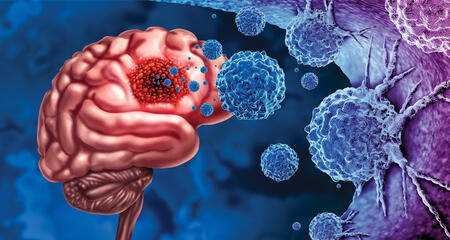
What is Psycho-Oncology?
Psycho-Oncology is a subspecialty that addresses the psychosocial, emotional, behavioral, and quality-of-life issues in patients with cancer, as well as their caregivers and loved ones. It integrates psychological support into oncology care—right from diagnosis, through treatment, survivorship, and end-of-life phases.
Key focuses:
Coping with diagnosis and treatment stress
Managing anxiety, depression, adjustment disorders
Family dynamics, communication, and decision-making
Grief, loss, and existential concerns
Adherence, distress screening, and behavioral support
Palliative psychological support
Why It’s Essential
Emotional distress is common in cancer (e.g. depression, anxiety, fear)
Untreated distress negatively affects treatment adherence, quality of life, symptom burden, and outcomes
Psychological support can improve mood, pain management, sleep, coping, relationships
Families and caregivers also face stress, burnout, anticipatory grief, and need support
Our Services
Psychological Assessment & Screening
Distress thermometer, depression/anxiety scales, coping style assessment
Baseline & periodic screening during treatment
Individual Psychotherapy & Counseling
Cognitive Behavioral Therapy (CBT) for anxiety, depression
Supportive counseling, meaning-centered therapy
Trauma-informed care for those with past psychological history
Family & Couples Counseling
Facilitating communication, shared decision-making
Helping caregivers cope with burden, anticipatory grief
Support Groups & Psychoeducation
Thematic support groups (new diagnosis, survivors, caregivers)
Workshops on stress management, relaxation, mindfulness
Behavioral Medicine & Symptom Support
Techniques for insomnia, fatigue, pain, nausea, appetite changes
Biofeedback, relaxation, guided imagery
Crisis Intervention & End-of-Life Support
Handling suicidal ideation, critical distress
Grief counseling, spiritual care liaison
Legacy work, life-review, final preparation
Follow-up & Survivorship Psychological Care
Dealing with fear of recurrence, body-image issues, adjusting to “new normal”
Monitoring and support for late psychological effects