
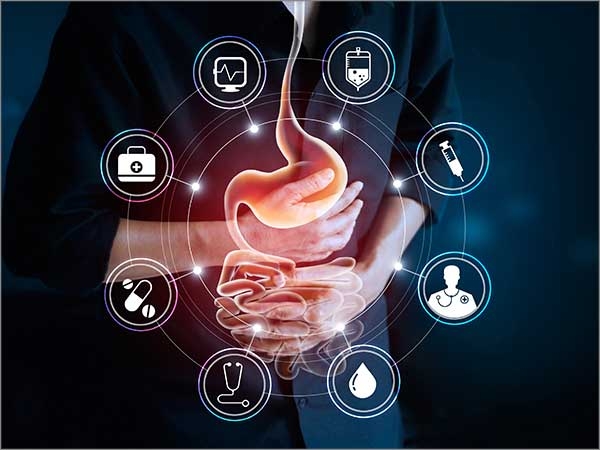
Gastrointestinal oncology is the branch of medicine that focuses on diagnosing and treating cancers of the digestive system. Gastrointestinal (GI) cancer is a collective term that refers to cancers originating in the organs of the GI tract. Esophageal, stomach, liver, and colorectal cancers are among the most common GI cancers in India.
At Gemcare Cancer Institute, we have some of the best GI cancer specialists in India who are highly skilled in accurately diagnosing, treating, and managing gastrointestinal cancers using modern technologies and advanced treatment approaches.
Types of Gastrointestinal Cancers
- Esophageal Cancer: Arises from the cells present in the esophagus (food pipe).
- Stomach Cancer: Develops in the lining of the stomach.
- Small Intestine Cancer: Forms in the inner lining of the small intestine.
- Colorectal Cancer: Refers to cancers that form in the colon (large intestine) and rectum.
- Liver Cancer: Originates in liver cells.
- Gallbladder Cancer: Results from abnormal cell division in the gallbladder.
- Bile Duct Cancer: Develops from abnormal cells in the bile duct.
Management of Gastrointestinal Cancers
Managing gastrointestinal cancers requires a multidisciplinary approach. At Gemcare Cancer Institute, our specialized tumour board—comprising experts from various disciplines—reviews each case thoroughly to design personalized treatment plans that improve survival rates and the quality of life of patients.
Diagnosis of Gastrointestinal Cancers
For diagnosing gastrointestinal cancers, oncologists recommend a variety of tests. A complete physical examination and detailed medical history assessment are also conducted to understand symptoms and their causes better. Common diagnostic methods include:
- Lab Tests: Analyze specific biomarkers that indicate the presence of gastrointestinal cancers.
- Biopsy: A small portion of tissue is removed from the suspected area and examined under a microscope for cancer cells.
- Endoscopy: A flexible tube with a camera is inserted through the mouth or anus to examine the upper or lower GI tract and collect biopsy samples if needed.
- Imaging Tests: MRI scans, PET-CT scans, and others are used to determine the tumour’s location, size, stage, and grade.
Treatment for Gastrointestinal Cancers
Treatment plans for gastrointestinal cancers are personalized after evaluating factors such as cancer type, stage, size, origin, location, and the patient’s overall health and preferences. Available treatment options include:
Surgical Options
- Gastrectomy: Removes all or part of the stomach.
- Cholecystectomy: Removes the gallbladder.
- Whipple Procedure: A complex surgery for pancreatic cancer that removes parts of the pancreas, small intestine, gallbladder, and stomach.
- Hepatectomy: Removes all or part of the liver.
- Colectomy: Removes all or part of the colon.
- Proctectomy: Removes all or part of the rectum.
- Endoscopic Mucosal Resection (EMR): Removes early-stage tumours in the GI lining using endoscopy.
- Endoscopic Submucosal Dissection (ESD): Minimally invasive removal of larger GI tumours.
- Laparoscopic Surgery: Removes early-stage GI cancers using small incisions and specialized tools.
- Esophagectomy: Partially or completely removes the esophagus.
- Polypectomy: Removes colon polyps to reduce colon cancer risk.
Radiation Therapy
Used as part of the treatment plan to target and destroy cancer cells.
Systemic Therapies
Chemotherapy, targeted therapy, and immunotherapy may be used based on the specific cancer type and stage.