
Treatments Used in Medical Oncology
- Chemotherapy
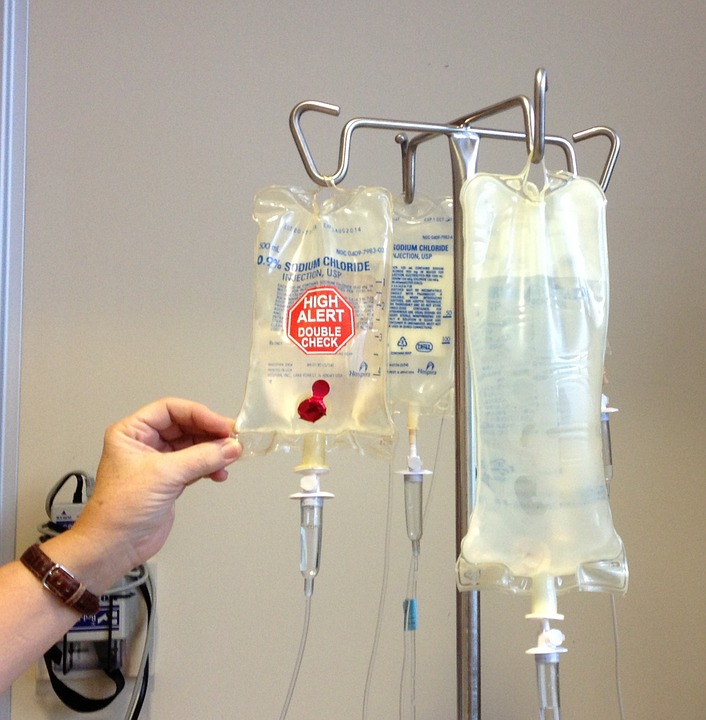
Chemotherapy involves the use of drugs to kill or inhibit the growth of fast-dividing cells, including cancer cells. While effective, chemotherapy can also affect healthy cells, leading to potential side effects.
- Immunotherapy
Immunotherapy enhances the immune system’s ability to identify and destroy cancer cells. Cancer cells often evade immune responses by masking themselves. Immunotherapy reactivates the immune system to target and eliminate these cells. Types of immunotherapy include:
- Monoclonal Antibody Therapy: Targets specific cancer cell markers to block growth signals or deliver toxic substances directly to the cells.
- Dendritic Cell Therapy: Uses modified dendritic cells to stimulate a more effective immune response against cancer cells.
- T-cell Therapy (CAR-T): Genetically modifies T-cells to target and destroy cancer cells more effectively.
- Oncolytic Virus Therapy: Employs viruses that selectively infect and destroy cancer cells, also stimulating an immune response.
- Cytokine Therapy/Immune System Modulators: Utilizes cytokines like interferons and interleukins to enhance immune activity against cancer.
- Cancer Vaccines: Stimulates the immune system to recognize and attack cancer cells using cancer-specific antigens.
- Targeted Therapy
Targeted therapy disrupts the processes that help cancer cells grow and spread. Commonly used for cancers such as breast, colorectal, lung cancer, and leukemia, it may be combined with chemotherapy, radiation therapy, or immunotherapy for enhanced results.
- Hormone Therapy
Hormone therapy targets hormones that fuel the growth of specific cancers, like hormone receptor-positive breast and prostate cancers. It can be part of primary treatment or used post-surgery or radiation therapy.
Radiation Therapy
Radiation therapy, also known as radiotherapy, is a widely used cancer treatment that employs high doses of radiation to destroy malignant cells and shrink tumors effectively.
Radiation Oncologist
Radiation oncologists are specialized medical professionals who oversee cancer patients receiving radiation therapy. Their responsibilities include:
- Assessing the suitability of radiation therapy for each patient.
- Explaining the benefits and potential risks of the treatment.
- Ensuring accurate delivery of radiation in the prescribed doses.
- Monitoring the patient’s progress throughout the treatment.
Radiation oncologists may recommend different types of radiation therapy based on the type and stage of cancer.
At Gemcare Cancer Institute, we provide state-of-the-art radiation therapy using advanced treatment technologies. Our cutting-edge equipment, including Ethos LINAC, CyberKnife, and Synergy LINAC, ensures precise tumor targeting while minimizing side effects, delivering effective and patient-centered care.
Hemato-Oncology and BMT (Bone Marrow Transplant)
Hemato-oncology is a specialized branch of medicine that focuses on diagnosing and treating blood cancers and other blood-related disorders. These include leukemia, lymphoma, myeloma, various types of anemia, and rare blood diseases.
At Gemcare Cancer Institute, we provide expert care for both adults and pediatric patients, addressing a wide range of hematological conditions.
Hematology
Hematology is a medical field dedicated to studying blood, bone marrow, and blood-forming organs, as well as diagnosing and managing blood-related diseases and disorders.
Hemato-Oncologist
A hemato-oncologist is a medical specialist who diagnoses, treats, and manages hematological cancers (blood cancers) that originate from blood-forming tissues like the bone marrow, lymphatic system, and blood cells. They are experts in treating conditions such as:
- Leukemia (Acute: AML, ALL; Chronic: CML, CLL)
- Lymphoma (Hodgkin and Non-Hodgkin Lymphoma)
- Plasma Cell Disorders (MGUS, SMM, Multiple Myeloma, Amyloidosis)
- Myeloproliferative Neoplasms (Polycythemia, Essential Thrombocythemia)
- Hemoglobinopathies (Thalassemia, Sickle Cell Disease)
- Bone Marrow Failure Disorders
At Gemcare Cancer Institute, our expert hemato-oncologists and hematologists utilize the latest diagnostic tools and therapeutic advancements to deliver personalized care, ensuring the best outcomes for patients with blood-related disorders and cancers.
Early detection and precise diagnosis are paramount in the effective management of cancer. Without accurate diagnostic insight, oncologists face significant challenges in formulating optimal treatment strategies. At Gemcare Hospital, we pride ourselves on employing some of the most distinguished radiologists in India, experts in diagnosing, staging, treating, and monitoring a wide spectrum of both common and complex cancers, as well as hematological malignancies. The role of advanced imaging in cancer care is indispensable, as the information derived from these imaging modalities forms the cornerstone of informed clinical decision-making.